

Heating & Air Conditioning
Viking HVAC
Arizona Homeowner's Guide: Fix or Replace Your AC System
The Bridge Between You and Comfort
Living in Arizona means your air conditioner isn't just a luxury—it's essential for survival. When your AC starts acting up during Phoenix's brutal summer months, you're faced with a tough choice: spend money on repairs or invest in a whole new system?
Stay Comfortable. Stay Confident.
350+ 5 Star Reviews
Our team of certified commercial HVAC specialists provides expert installation, maintenance, and repair services designed specifically for restaurant operations, ensuring optimal kitchen ventilation and dining room comfort. We serve restaurants throughout the Phoenix Valley, including quick-service establishments, full-service restaurants, cafes, bars, and specialty dining venues.
Is Your AC on Its Last Legs?
Living in Arizona means your air conditioner isn't just a luxury—it's essential for survival. When your AC starts acting up during Phoenix's brutal summer months, you're faced with a tough choice: spend money on repairs or invest in a whole new system?
This decision can feel overwhelming, especially when you're dealing with triple-digit temperatures and the pressure to fix things fast. But here's the thing: making the wrong choice can cost you thousands of dollars and leave you uncomfortable when you need cooling most.
We've helped thousands of Arizona families navigate this exact situation over our years serving the Phoenix Metro Valley. As a family-owned business, we believe in giving you honest, straightforward advice—even if it means less money for us. That's why we created this complete guide to help you make the best decision for your home and budget.
What You'll Learn in This Guide
By the time you finish reading, you'll know exactly how to evaluate your AC system like a pro. We'll walk you through simple steps to determine whether repair or replacement makes financial sense, show you what to look for in your current system, and help you understand the unique challenges Arizona homeowners face.
You'll also discover how to avoid common mistakes that cost Arizona homeowners money and have the confidence to make this decision without the stress and uncertainty.
Why Arizona is Brutal on AC Systems
If you've lived in Arizona for any length of time, you know our climate is unlike anywhere else. While other parts of the country might run their AC for 3-4 months a year, we're cranking ours for 8-9 months straight. This extended usage, combined with our unique desert conditions, creates the perfect storm for AC system stress.
Our Desert Climate Challenges
Extreme Heat and Continuous Operation: When temperatures hit 115°F or higher, your AC system works overtime just to keep your home comfortable. Unlike milder climates where an AC might cycle on and off throughout the day, Arizona systems often run continuously during summer months, putting enormous strain on every component.
Environmental Damage: Arizona's famous dust storms coat condenser coils and reduce efficiency, while intense UV radiation breaks down plastic components, seals, and wiring in your outdoor unit. The constant temperature swings between day and night cause expansion and contraction cycles that stress metal components, leading to cracks, leaks, and connection failures.
How Long AC Systems Really Last Here
The national average lifespan for an AC system is 15-20 years, but that's misleading for Arizona homeowners. In our desert climate, most systems last 10-15 years, and some high-usage systems may need replacement even sooner.
Here's what typically fails first in Arizona conditions:
Compressor Failure: The heart of your AC system bears the brunt of our extreme conditions. Constant operation in high heat causes internal components to wear out faster.
Refrigerant Leaks: Extreme temperature changes cause seals and connections to expand and contract, eventually leading to refrigerant leaks that reduce efficiency and create expensive repairs.
Electrical Component Failure: Heat is the enemy of electrical components. Contactors, capacitors, and control boards fail more frequently in our climate.
The key takeaway? If your AC system is approaching 10 years old and starting to have problems, it's time to seriously consider replacement rather than continuing to pour money into repairs.
The Money Question: When Does Replacement Make Sense?
Every Arizona homeowner faces this dilemma: your AC breaks down, and you're staring at a repair estimate that makes your wallet hurt. How do you know if you should fix it or replace the whole system? The answer comes down to smart financial planning and understanding the true costs involved.
The Simple 50% Rule (And Why Arizona is Different)
The traditional rule of thumb says if repair costs exceed 50% of replacement cost, you should replace the system. But in Arizona, we recommend adjusting this rule based on your system's age and condition.
Here's how it works: If your AC system is 8 years old or newer and the repair costs less than 50% of replacement, repair usually makes sense. But if your system is 10+ years old, consider replacement even if repairs cost only 30-40% of replacement cost. Why? Because older systems in Arizona's harsh climate are likely to need more repairs soon.
Example: Your 12-year-old AC system needs a $2,000 compressor repair, and a new system costs $6,000. That's 33% of replacement cost, which normally suggests repair. But given the system's age and our climate, you'll likely face more expensive repairs within the next 2-3 years. In this case, replacement might be the smarter long-term choice.
How Old is Too Old?
Age isn't everything when it comes to AC systems, but it's a crucial factor in Arizona's harsh climate. Understanding how your system's age affects the repair vs. replacement decision can save you thousands of dollars and prevent uncomfortable emergencies.
Age Guidelines for Arizona AC Systems
0-5 Years Old: Repair Makes Sense If your system is less than 5 years old, repairs are almost always the right choice unless you're dealing with a major manufacturer defect. These systems should still be under warranty, and most problems can be fixed cost-effectively.
6-10 Years Old: The Gray Area This is where decisions get tricky. Your system is past its warranty period but hasn't reached the typical replacement age. Key factors to consider:
- What's broken and how much will it cost to fix?
- Have you had multiple repairs in the past 2 years?
- Is your system struggling to keep up with Arizona's heat?
- Are your energy bills increasing despite similar usage?
11-15 Years Old: Lean Toward Replacement Once your system hits 11 years in Arizona, major repairs often signal it's time for replacement. At this age, you're likely to face multiple expensive repairs, and efficiency has decreased significantly. The money you'd spend on repairs is better invested in a new, efficient system.
15+ Years Old: Time to Replace Any system over 15 years old should be replaced rather than repaired, with very few exceptions. At this age, even minor repairs don't make financial sense because other major components are likely to fail soon.
What to Check on Your System
Before making any decisions, you should evaluate your system's overall condition. Here are the key areas to examine:
Compressor Health: Signs of compressor problems include:
- System struggles to cool your home
- Loud noises when the system starts
- Frequent cycling on and off
- High energy bills despite normal usage
Ductwork Condition: Poor ductwork can make even a new system perform poorly. Look for:
- Visible damage to exposed ducts
- Uneven cooling throughout your home
- Excessive dust around vents
- Higher than normal energy bills
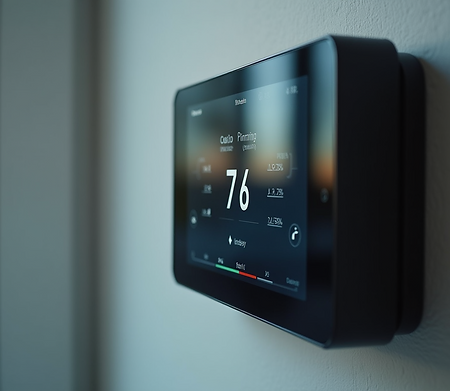
Thermostat and Air Quality: An outdated thermostat can cause unnecessary strain on your system, while poor indoor air quality often indicates system problems like excessive dust, humidity issues, or stale odors.
Things You Can Check Yourself
While major system evaluation requires professional expertise, there are several things you can safely check as a homeowner:
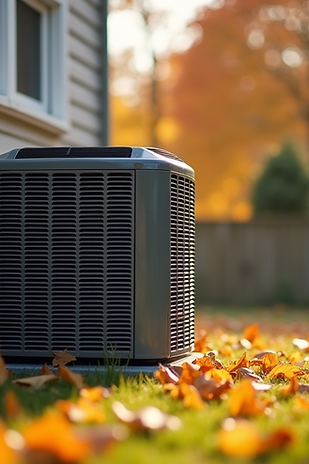
Visual Inspection: Look for obvious damage, rust, or deterioration on your outdoor unit. Check for bent fins on the condenser coil and ensure the area around the unit is clear of debris.
Performance Monitoring: Track your energy bills over several months, note any rooms that don't cool properly, and pay attention to how long your system runs during peak hours.
When to Call the Professionals: If you notice any of these warning signs, it's time for a professional evaluation:
- System can't maintain comfortable temperatures
- Frequent repairs or service calls
- Dramatic increases in energy bills
- Age of system approaching 10+ years
At Viking HVAC, we provide honest assessments without high-pressure sales tactics. Our family-owned approach means we'll tell you the truth about your system's condition and help you make the best decision for your situation.
Common Arizona AC Problems: Fix or Replace?
Energy Efficiency: The Hidden Factor
One of the biggest factors in the repair vs. replacement decision is energy efficiency. Arizona's extreme climate and high electricity costs make efficiency improvements particularly valuable, and new technology can provide comfort and savings that older systems simply can't match.
SEER Ratings and Real Savings
SEER (Seasonal Energy Efficiency Ratio) measures how efficiently your AC system converts electricity into cooling. In Arizona's climate, higher SEER ratings translate directly into lower electric bills.
Understanding SEER Ratings:
- Minimum SEER for new systems: 14 (as of 2023)
- Good efficiency range: 16-18 SEER
- High efficiency: 19+ SEER
- Older systems often operate at 8-12 SEER
Real-World Savings Example: Upgrading from a 10 SEER system to a 16 SEER system can reduce your cooling costs by 37%. For a typical Arizona home spending $200/month on summer cooling, that's $74/month in savings—nearly $900 per year.
Payback Period: High-efficiency systems typically pay for their additional cost within 5-7 years through energy savings. When you factor in utility rebates, the payback period is even shorter.
Smart Technology Benefits
Modern AC systems offer smart technology that can dramatically improve your comfort and reduce energy costs:
- Smart Thermostats: Programmable schedules, remote control, and learning algorithms
- Zone Control: Cool only occupied areas
- Energy Monitoring: Real-time usage tracking and optimization
- Utility Integration: Time-of-use programs and peak demand management
Why Smart Technology Matters in Arizona: With our extreme temperatures and high electricity costs, features like pre-cooling during off-peak hours and automatic efficiency adjustments can provide significant savings.
The Bottom Line
If your current system is 10+ years old and experiencing problems, the efficiency improvements alone often justify replacement, especially when combined with available rebates and financing options.
Making Your Decision: A Simple Action Plan
After reading this guide, you have the knowledge to evaluate your AC system and make the best decision for your situation. The key is taking a systematic approach that considers all the factors we've discussed.
Rather than feeling overwhelmed by all the information, use our step-by-step approach to organize your thoughts and move forward with confidence.
When You Need Professional Help
If you're still unsure after evaluating your system, or if you want confirmation of your decision, contact Viking HVAC for an honest assessment. We'll evaluate your system's condition and help you understand your options without any sales pressure.
Remember: The worst time to make this decision is during a summer breakdown when you're under pressure and have limited options. Plan ahead, and don't hesitate to get professional guidance when you need it.
Ready to Make Your Decision?
Living in Arizona means your AC system isn't just about comfort—it's essential for your family's safety and well-being. Whether you choose repair or replacement, the key is making an informed decision with a contractor you can trust.
Free, No-Pressure Consultation: We'll assess your system's condition and help you understand your options without any sales pressure. Our goal is to help you make the best decision for your situation.
Frequently Asked Questions
Schedule Service
Areas We Service
As mentioned, we are a heating and cooling company located in Chandler, but that is not where our jurisdiction ends. We service a wide range of customers throughout the state. A service call made to us is a call for help, and we don’t treat it lightly. Our Arizona heating and cooling assistance reaches the following:
Connect With Phoenix Valley's Premier HVAC Team
Ready to experience superior heating, cooling, and air quality services for your home or business? Contact Viking HVAC today.